

Neurodivergent-Affirming Therapy in Washington
Therapy for autistic, ADHD, and other neurodivergent adults who want a space where they don't have to mask, perform, or fit themselves into someone else's idea of “normal.”
You don’t have to navigate these feelings alone.
Therapy can help you process difficult experiences, reconnect with what matters most to you, and build tools for coping and self-understanding.
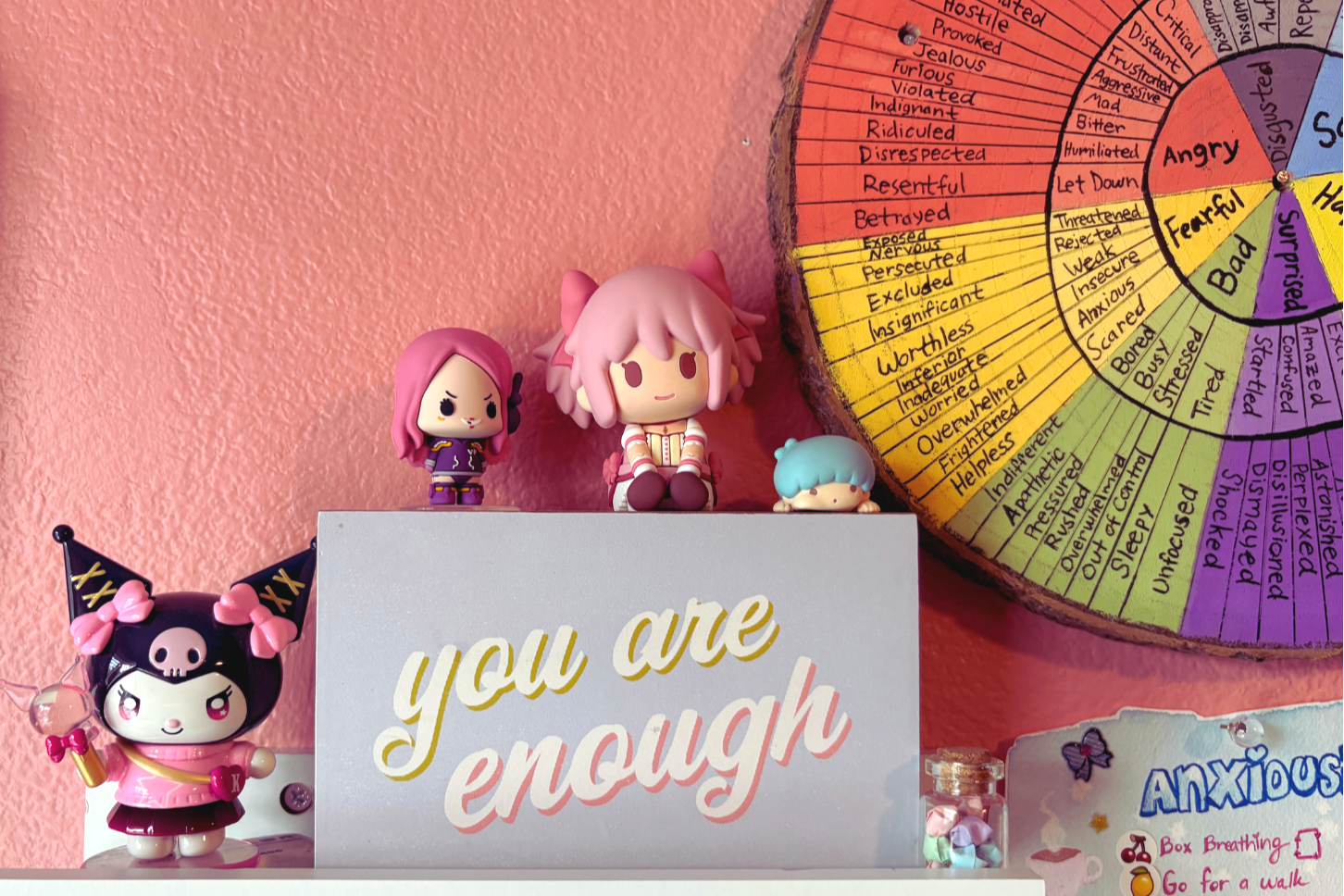
I offer neurodivergent-affirming counseling and art therapy via telehealth throughout Washington State.
Whether you've known you're neurodivergent for years, are newly diagnosed, are exploring whether a label fits, or don't identify with a particular diagnosis at all, therapy can be a place to better understand yourself and find ways of navigating life that actually work for you.
Therapy That Works With Your Brain, Not Against It
Many neurodivergent people enter therapy after years of being told—directly or indirectly—that they need to try harder, be more organized, communicate differently, tolerate more, or make themselves easier for other people to understand.
I take a different approach.
Neurodivergent-affirming therapy isn't about training you to appear more neurotypical. Instead, we can get curious about your experiences, recognize your needs and limits, build on your strengths, and explore strategies that fit you.
Depending on what brings you to therapy, we might explore:
Masking and the exhaustion that can come with it
Burnout and overwhelm
Anxiety and self-criticism
Sensory needs and experiences
Executive functioning challenges
Relationships and communication
Boundaries and people-pleasing
Identity and self-understanding
Perfectionism and fear of getting things “wrong”
Navigating expectations that don't fit your needs
You don't need a formal diagnosis to explore neurodivergence in therapy.
What Does Neurodivergent-Affirming Therapy Look Like?
There isn't one “right” way to participate in therapy.
You might need extra time to answer a question. You might communicate more easily when you're doing something with your hands. Eye contact isn't required. Fidgeting, moving around, doodling, bringing comfort items, or joining a telehealth session from a space that feels comfortable are all welcome.
I also don't expect every session to follow the same formula. We can work together to figure out what makes therapy more accessible and useful for you.
My approach draws from Acceptance and Commitment Therapy (ACT), feminist therapy, art therapy, and trauma-informed approaches. Rather than focusing only on changing thoughts or behaviors, we'll also pay attention to context: the environments you're navigating, the expectations placed on you, and the ways your identities and experiences intersect.

Art Therapy and Neurodivergence
Sometimes talking isn't the easiest—or most useful—way to explore an experience.
Art therapy can offer another route.
Drawing, painting, collage, creative writing, and other forms of making can give us ways to explore emotions, sensory needs, identity, relationships, and experiences that may be difficult to translate neatly into words.
You don't need to be “good at art.” You also don't have to make art in therapy at all. Creative approaches are an option, not an expectation.
[Learn more about Art Therapy →]
[Learn more about how Art Therapy can support Neurodivergent Clients →]


Neurodivergence Doesn't Exist in a Vacuum
Being neurodivergent can intersect with gender, sexuality, disability, culture, relationships, work, family expectations, and many other parts of life.
For LGBTQIA+ and neurodivergent clients in particular, figuring out which parts of yourself you've learned to hide—or which expectations you've been trying to meet—can get complicated.
Therapy can offer space to explore those intersections without requiring you to separate yourself into tidy categories.
[Learn more about LGBTQIA+ Affirming Therapy →]
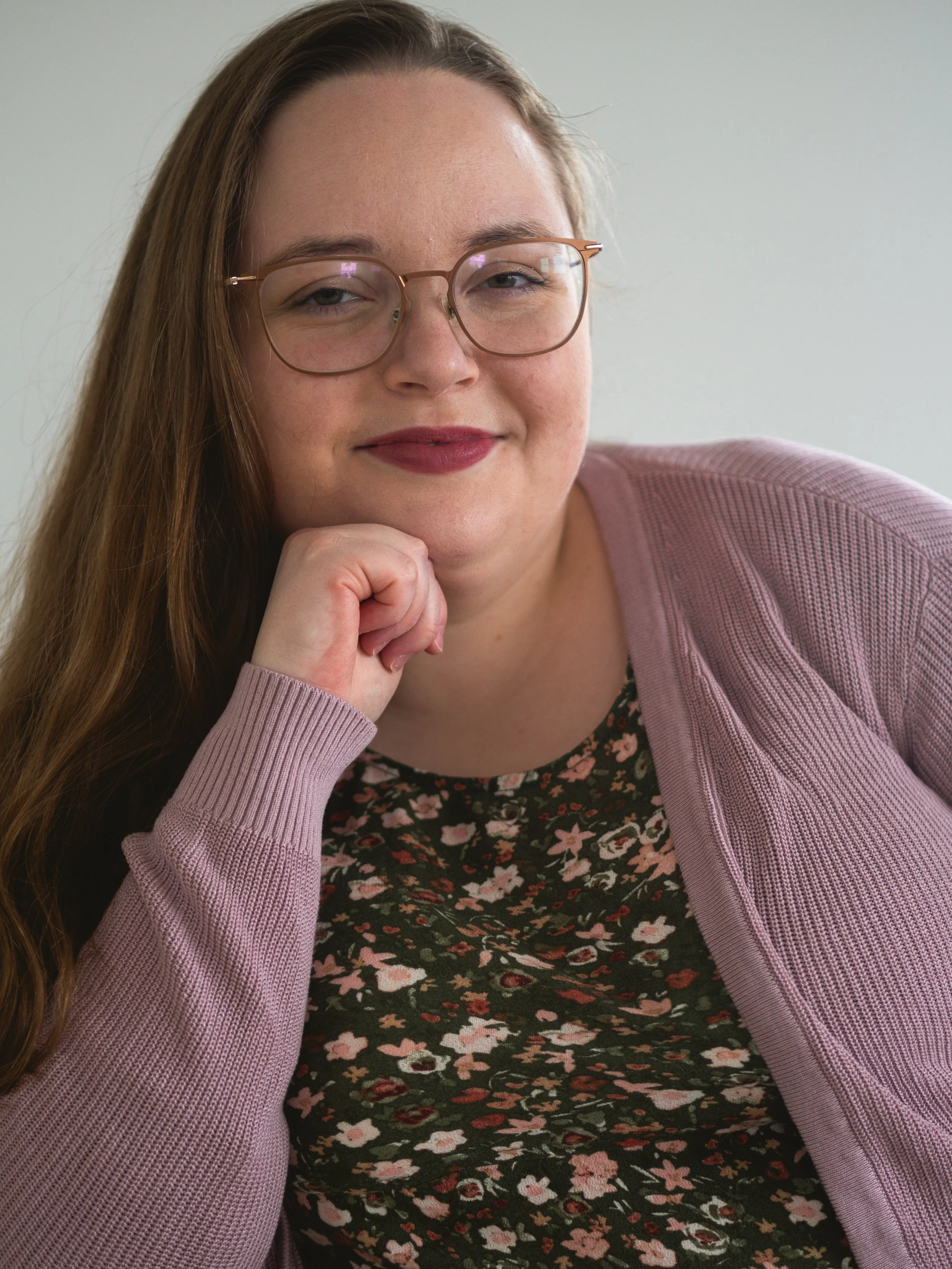
Neurodivergent-Affirming Therapy Throughout Washington State
I provide individual telehealth counseling and art therapy for adults throughout Washington State.
If you're looking for therapy where you can show up with your actual brain—not the version of yourself you've learned to perform for everyone else—I'd be happy to talk with you about whether we might be a good fit.